
Stay Healthy This Fall by Being Proactive
Fall has a way of sneaking up. One week the windows are open, the next everyone is coughing in the grocery store, sunsets come early, and your calendar fills up fast. The good news is that staying well during the season does not require a complete lifestyle overhaul. Small, steady habits can help your body handle the shift.
Being proactive means preparing before you feel run down. It means protecting sleep, washing hands before it becomes an afterthought, stocking simple supplies, and noticing when stress starts to build.
This article is for general information only and is not medical advice. For personal guidance, especially if you have a chronic condition, take medications, are pregnant, or care for young children or older adults, talk with a qualified health professional.

Start with the basics before you get busy
The most useful fall health habits are not complicated. They are the things that are easy to skip when school, work, travel, sports, and holiday plans start filling the week.
Sleep is the first one to protect. Shorter days can throw off routines, and late nights can make it harder to recover from everyday stress. Aim for a steady bedtime and wake time when possible. Dim lights in the evening, keep screens out of the last stretch of the night, and make the bedroom cool and comfortable.
Hydration matters too. Cooler weather can make thirst less obvious, but your body still needs fluids. Keep water nearby during the day. Warm drinks, soups, and water-rich foods can help if cold water is less appealing.
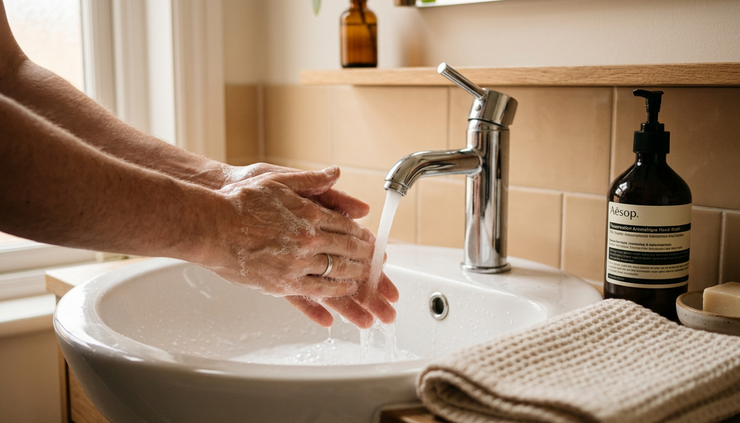
Hand hygiene is another simple habit that earns its place. Wash with soap and water before eating, after using the bathroom, after being in public places, and after coughing or sneezing. If soap and water are not available, hand sanitizer can help until you can wash properly.
A few small routines can go a long way:
Wash hands when coming home Make it as automatic as taking off your shoes.
Keep tissues easy to reach Put them in your bag, car, bedroom, and kitchen.
Replace shared towels often This is especially helpful in busy households.
Stay home when symptoms are new or worsening Rest helps you recover, and it lowers the chance of spreading illness.
Plan ahead for seasonal illnesses
Fall often brings more time indoors, closer contact with others, and a higher chance of respiratory bugs spreading. Planning ahead helps you make better decisions when someone in the house wakes up feeling off.
Start by checking your medicine cabinet. Throw away expired items safely and restock basics you already use, such as a thermometer, tissues, oral rehydration solution or electrolyte packets, fever reducers approved for your household, saline spray, and any regular prescriptions. Follow labels carefully, especially for children.
If vaccines are recommended for you, fall is a good time to ask your healthcare provider or pharmacist about them. Flu shots are commonly offered in the fall, and some people may also be advised to stay current with COVID-19 or other vaccines. Recommendations vary by age, health history, and risk level, so get guidance from a trusted clinician.
It also helps to make a simple sick-day plan before anyone needs it. Think through who can pick up groceries, what meals are easy to prepare, and where masks, cleaning supplies, and medications are stored.
If symptoms feel severe, unusual, or persistent, get medical advice. Trouble breathing, dehydration, chest pain, confusion, or symptoms that rapidly worsen should be taken seriously.
Build meals that support steady energy
Fall food can be both comforting and nourishing. You do not need a strict meal plan to eat well. Focus on meals that keep energy steady and support the body’s normal defenses.
A balanced plate usually includes:
Protein Eggs, beans, fish, poultry, tofu, yogurt, nuts, or lean meats.
Fiber-rich carbohydrates Oats, brown rice, potatoes, squash, whole-grain bread, fruit, or beans.
Colorful produce Apples, citrus, carrots, leafy greens, broccoli, peppers, sweet potatoes, or frozen vegetables.
Healthy fats Olive oil, avocado, seeds, nuts, or nut butters.
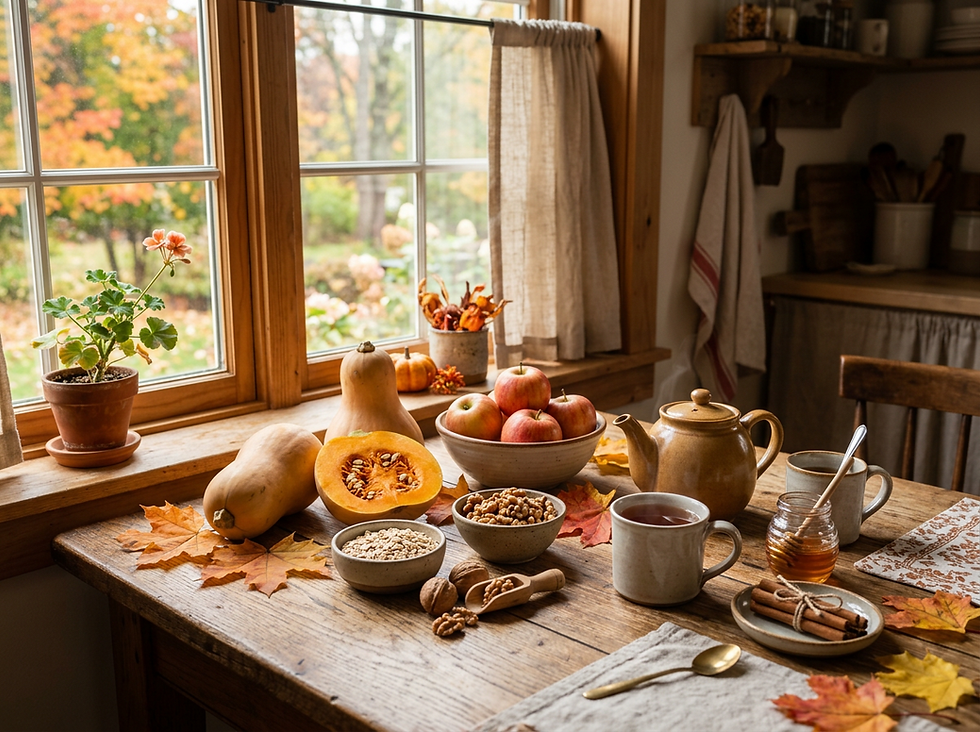
Soups and sheet-pan meals work especially well in fall. A pot of vegetable soup with beans or chicken can cover several lunches. Roasted sweet potatoes, Brussels sprouts, and salmon can make a simple dinner with leftovers. Oatmeal with apples, cinnamon, and walnuts can be a warm breakfast that takes little effort.
Try to keep a few “low-energy” options on hand for busy nights. Frozen vegetables, canned beans, eggs, whole-grain pasta, rotisserie chicken, and boxed broth can turn into a quick meal without much planning.

Keep moving even when the weather changes
Cooler weather can make movement easier for some people and harder for others. The key is to make activity practical. You do not need intense workouts to benefit from regular movement.
A brisk walk after lunch, gentle stretching in the morning, a weekend hike, or a short strength routine at home can help maintain energy and mood. If it gets dark early, plan movement when daylight is available. If rain or cold keeps you inside, use stairs, follow a simple bodyweight routine, or walk indoors.
Think in small blocks. Ten minutes counts. A few short sessions can fit better than one long workout, especially during a packed week.
Outdoor movement also gives you a chance to get fresh air and daylight. Morning light can help support a steady daily rhythm, which may help sleep feel more natural at night.
Make your indoor spaces easier to breathe in
As temperatures drop, people close windows and spend more time indoors. That makes home habits more important.
Change HVAC filters on the schedule recommended for your system. Vacuum and dust regularly, especially in bedrooms and shared living areas. If indoor air feels dry, a humidifier may help, but it needs regular cleaning to prevent buildup. Keep humidity at a comfortable level rather than making rooms damp.
When someone is sick, improve airflow when you can. Crack a window for short periods if weather allows, use exhaust fans, and give the sick person space to rest away from others when possible.
This is also a good time to reduce irritants. Smoke, strong fragrances, and heavy dust can bother airways, especially for people with asthma, allergies, or respiratory conditions.

Protect your mental energy as days get shorter
Fall can be beautiful, but the darker evenings can affect mood and motivation. Build small supports into the day before stress piles up.
Keep a steady routine when possible. Get outside in daylight, even for a short walk. Plan something enjoyable each week, such as cooking a favorite meal, calling a friend, reading, or visiting a local park. Limit the habit of filling every open hour.
If you notice ongoing sadness, anxiety, sleep changes, loss of interest, or trouble functioning, reach out for support. A primary care clinician or mental health professional can help you sort out what is going on and what may help.
Staying healthy this fall by being proactive comes down to preparation, not perfection. Start with one or two habits that feel realistic this week. Stock the basics, protect sleep, wash hands, eat steady meals, move your body, and pay attention to how you feel.
A healthier fall is often built in quiet moments before anyone gets sick.


Comments